Most ingredients can be swapped without ruining the dish: butter for margarine or oil, milk for plant milk, an egg for applesauce or flaxseed. The trick is knowing what the ingredient does in the recipe, and when not to swap at all.
Butter
- Margarine: swap by the same weight. A baking margarine in a block works better than a soft tub spread, which can have less fat and more water, so check that the package says it is suitable for baking.
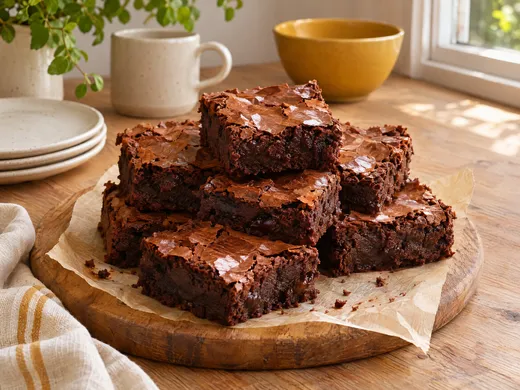
- Oil: butter is roughly 80% fat and most of the rest is water, so use a little less oil: about 85 ml of oil per 100 g of butter. A stick of butter (113 g, ½ cup) becomes about 6½ tbsp (100 ml) of oil. In our chocolate chip cookies, for example, 120 g of butter can be replaced with 100 ml of canola oil.
Oil works well in oil-style cakes, brownies, muffins, pancakes and yeast dough. It works less well in shortcrust pastry, butter cookies, buttercream and cakes that start by creaming soft butter with sugar. There the butter traps air and gives structure, which a liquid oil can’t do. Margarine is the better swap in those recipes.
In a meat meal: a kosher kitchen doesn’t serve butter, milk or cream with meat, and dessert after a meat meal is usually parve (dairy-free). So instead of butter, choose oil or a margarine marked parve. For halachic questions, such as how long to wait between meat and dairy, ask a rabbi.
Milk
- Plant milk: soy, oat or almond, in the same amount. It works in cakes, pancakes, crepes and yeast dough. For savory dishes, pick an unsweetened, unflavored one.
- Water or juice: in yeast dough and some cakes, water can stand in for milk, and in cakes juice can too. Our sufganiyot do exactly that: lukewarm water or soy milk instead of the milk, and 4 tbsp oil instead of the butter. They come out a little less rich, and still good.
Cream and sour cream
- Heavy cream in a sauce or soup: use cooking cream, or mix ¾ cup (180 ml) milk with ⅓ cup (75 g) melted butter to replace 1 cup (240 ml) of cream. This works for cooking and baking, but it won’t whip.
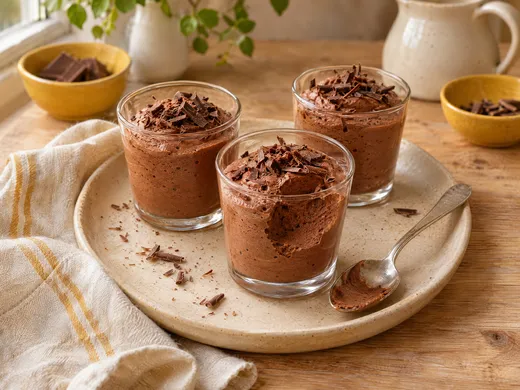
- Cream in a dairy-free dish: for whipped cream and desserts, use a non-dairy whipping topping, as in our chocolate mousse. It is already sweetened, so cut back a little on the sugar. For savory cooking there are unsweetened non-dairy cooking creams, and coconut cream, which adds a coconut flavor.
- Sour cream: plain or Greek yogurt in the same amount. If you heat it, stir in 1 tbsp cornstarch per cup so it doesn’t split.
Check the label: not every product labeled “non-dairy” or “plant-based” is parve. Some contain milk derivatives such as casein or sodium caseinate, and under kosher law those count as dairy. Others are made on dairy equipment. Look for the word “parve” (or “pareve”) on the kosher symbol, and when in doubt, ask a rabbi.
Eggs
In simple cakes and bakes, eggs can be replaced in recipes that call for up to 3 eggs. To replace one egg:
| Substitute | Amount | Best for |
|---|---|---|
| Unsweetened applesauce | ¼ cup (60 g) | oil-style cakes and muffins; denser and moister |
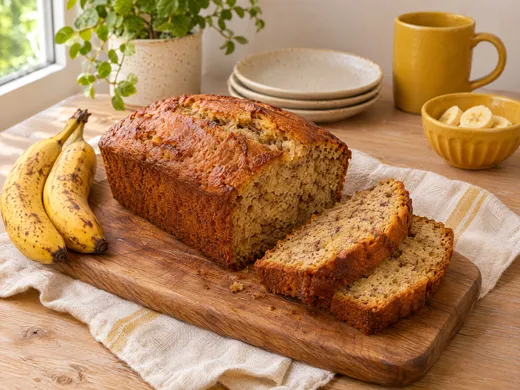
| Mashed ripe banana | ¼ cup | banana bread and pancakes; adds banana flavor |
| Ground flaxseed | 1 tbsp + 3 tbsp hot water, rest 5 minutes | cookies, muffins, quick breads |
| Chia seeds | 1 tbsp + 3 tbsp hot water, rest until thick | same as flaxseed |
| Plain yogurt | ¼ cup | cakes and muffins (dairy) |
| Aquafaba (liquid from canned chickpeas) | 3 tbsp, whipped | meringues, mousse, cookies; cookies spread more |
Egg substitutes don’t work in sponge cake, chiffon cake or any cake whose height comes from whipped eggs. Make those with eggs, or choose another recipe.
Two more swaps people often search for: for schnitzel without egg, dip the pieces in a thin batter of flour and water before the breadcrumbs. To glaze challah or burekas without egg, brush with oil or soy milk; the color will be paler.
Self-rising flour, baking powder and baking soda
- Self-rising flour: for each cup (125 g) of all-purpose flour, whisk in 1½ tsp baking powder and a pinch of salt. In metric, about 1 tsp baking powder per 100 g of flour. US self-rising flour usually includes salt too.
- Baking powder and baking soda are not interchangeable one for one. Baking soda is much stronger and only works with an acidic ingredient. If you run out of baking powder, replace 1 tsp with ¼ tsp baking soda, and swap ½ cup (120 ml) of the recipe’s liquid for ½ cup of yogurt or buttermilk.
Buttermilk
Put 1 tbsp lemon juice or vinegar in a measuring cup, fill it to 1 cup (240 ml) with milk and let it stand 5-10 minutes, until slightly thickened. Plain yogurt also works, thinned with a little milk if it is very thick.
What not to swap
- Eggs in sponge cake, chiffon cake and recipes with more than 3 eggs.
- Oil for butter in shortcrust, butter cookies and buttercream.
- Baking soda for baking powder in the same amount.
- Sweetened whipping topping in a savory dish. Use an unsweetened non-dairy cooking cream instead.
One last note: these are kitchen tips. If you are cooking for someone with an allergy, read the ingredient list on every package.