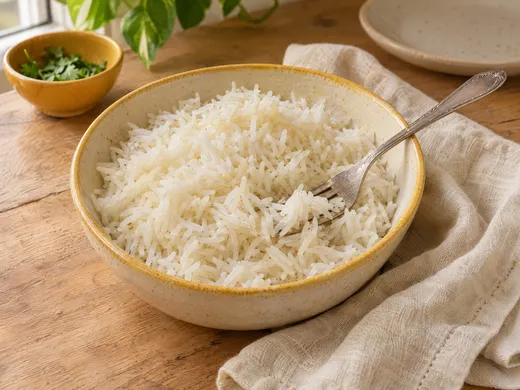
A measuring cup holds 240 ml (8 fl oz). Filled with all-purpose flour it weighs about 125 g, with sugar about 200 g, with rice about 185 g. The charts below have the rest, and they are the same numbers our English recipes use.
Cups and spoons by volume
- 1 cup: 240 ml, or 16 tablespoons.
- 1 tablespoon: 15 ml, or 3 teaspoons.
- 1 teaspoon: 5 ml.
- 1 fluid ounce: about 30 ml. 1 ounce by weight: about 28 g.
All amounts in recipes are level: filled to the rim and leveled off, never heaped. A drinking glass or a disposable cup is not a measuring cup. In Israel, a disposable cold-drink cup holds only about 180 ml.
How to fill a cup without a scale
- Flour: stir the flour in its bag or jar to loosen it. Spoon it into the cup without packing it down or tapping the cup, then level the top with the back of a knife. A cup scooped straight from the bag packs the flour and weighs noticeably more.
- Sugar, rice and lentils: pour in and level. They hardly pack down.
- Brown sugar: press it in lightly, just enough to hold its shape.
- Liquids: set a liquid measuring cup on the counter and read the line at eye level.
- Honey, date syrup and tahini: wipe the spoon or cup with a drop of oil first, and everything slides out.
Cups and tablespoons in grams
| Ingredient | 1 cup (240 ml) | 1 tbsp |
|---|---|---|
| All-purpose flour | 125 g | 9 g |
| Granulated sugar | 200 g | 12 g |
| Brown sugar, lightly packed | 220 g | 13 g |
| Powdered sugar | 120 g | 8 g |
| Cornstarch | 130 g | 8 g |
| Cocoa powder | 100 g | 7 g |
| Rice | 185 g | - |
| Lentils | 200 g | - |
| Quinoa | 170 g | - |
| Bulgur, couscous, semolina | 170 g | - |
| Rolled oats | 90 g | - |
| Breadcrumbs or panko | 110 g | - |
| Grated cheese | 100 g | - |
| Chopped nuts | 120 g | - |
| Raisins | 150 g | - |
| Chocolate chips | 170 g | - |
| Shredded coconut | 80 g | - |
| Cottage cheese, yogurt, sour cream | 240 g | 15 g |
| Tahini | 240 g | 15 g |
| Honey, date syrup | 340 g | 21 g |
| Butter, margarine | 225 g | 14 g |
| Oil | 220 g (240 ml) | 14 g (15 ml) |
| Water, milk, juice, cream | 240 ml | 15 ml |
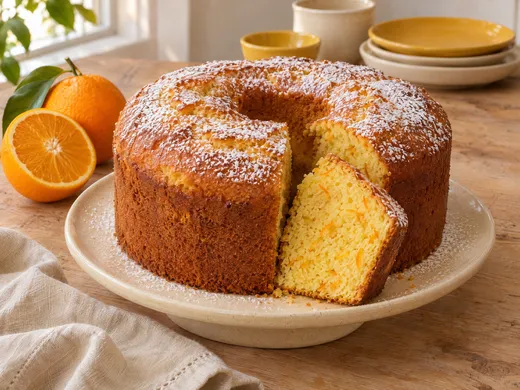
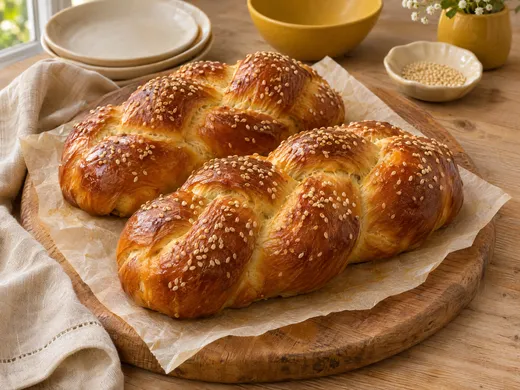
The numbers are rounded, and flour varies by brand and by how the cup is filled. King Arthur Baking counts a cup of all-purpose flour as 120 g, Israeli cooks count 140 g, and we use 125 g in English. That is why our recipes give grams first: 1 kg of flour for challah is about 8 cups, and 250 g of sugar for the orange cake is 1¼ cups.
Teaspoons: salt, baking powder and yeast
| Ingredient | 1 tsp |
|---|---|
| Fine salt | 6 g |
| Sugar | 4 g |
| Baking powder | 4 g |
| Instant or active dry yeast | 3 g |
Cooking from an Israeli recipe? Package sizes
Israeli recipes often count in packages. Here is what they mean:
| Package | Weight or volume | In spoons and cups |
|---|---|---|
| Sachet of dry yeast | 11 g | about 3½ tsp (1½ US packets) |
| Sachet of baking powder | 10 g | 2½ tsp |
| Sachet of vanilla sugar | 10 g | 2½ tsp, or about 1 tsp vanilla extract |
| Block of butter | 200 g | about 14 tbsp (1¾ sticks) |
| Tub of cottage or white cheese | 250 g | 1 cup |
| Cup of yogurt | 200 g | a little over ¾ cup |
| Carton of cream or non-dairy whipping topping | 250 ml | 1 cup plus 2 tsp |
| Chocolate bar | 100 g | 3.5 oz |
Oven temperatures: Celsius and Fahrenheit
| Celsius | Fahrenheit | For example |
|---|---|---|
| 150°C | 300°F | slow baking |
| 160°C | 325°F | baked cheesecake |
| 170°C | 340°F | orange cake |
| 175-180°C | 350°F | most cakes and cookies |
| 190°C | 375°F | - |
| 200°C | 400°F | roast chicken and potatoes |
| 220°C | 425°F | focaccia |
| 230°C | 450°F | homemade bread |
| 250°C | 480°F | pizza |
To convert yourself, multiply the Celsius number by 1.8 and add 32. To go the other way, subtract 32 and divide by 1.8.
Fan (convection) ovens: oven makers’ charts set the fan temperature 20°C (about 35°F) lower than the conventional one. If a recipe was written for a conventional oven and you bake with the fan on, lower the heat by about 20°C. Every oven is a little different, so check your oven’s manual and start checking the bake a few minutes early.