Plan by course, spread the work from Wednesday to Friday, and freeze ahead whatever you can. That way Friday is left only for the things that must be fresh, and you still have time to breathe before Shabbat.
How a Friday night dinner is built
Friday night dinner reaches the table in a fairly set order. You do not need every course: challah, salads, a main and a side already make a full meal.
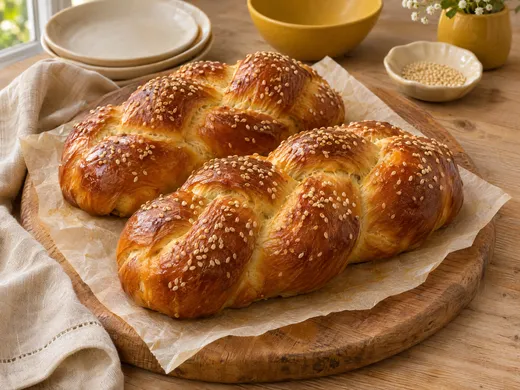
- Kiddush and challah. Two whole loaves for the blessing. Our Soft, Fluffy Challah makes two from one dough.
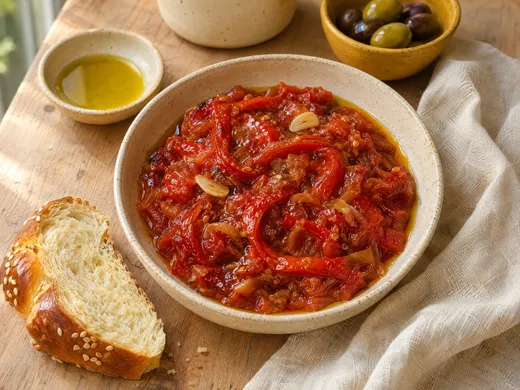
- Salads. 4-6 kinds, some cooked and some fresh: hummus, tahini, matbucha, Moroccan carrot salad, eggplant salad with mayonnaise and Israeli salad.
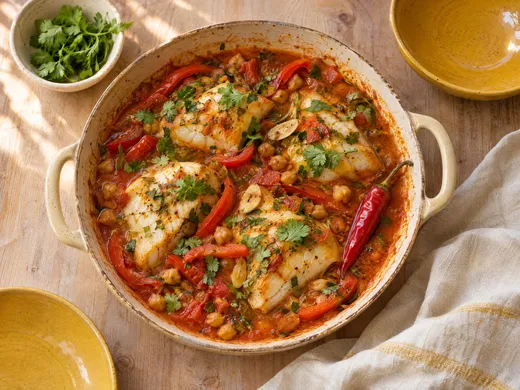
- First course. Usually fish: Moroccan fish in red pepper sauce or Moroccan fish balls. For a meat meal, Moroccan cigars work too.
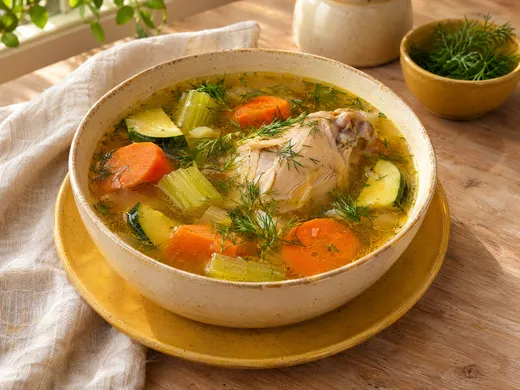
- Soup. Chicken soup, Yemenite beef soup or vegetable soup.
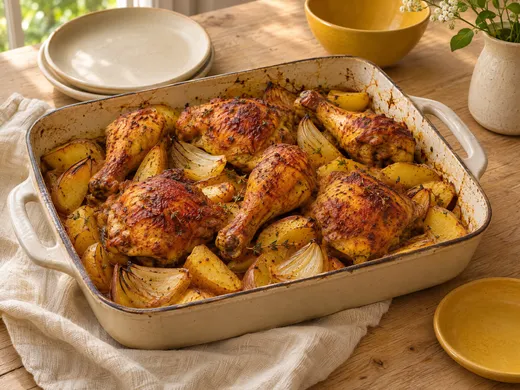
- Main course. Roasted chicken and potatoes, meatballs in tomato sauce, stuffed peppers or roast turkey breast.
- Sides. One or two: white rice, Iraqi red rice, Jerusalem kugel or oven roasted potatoes.
- Dessert. After a meat meal, serve a parve (dairy-free) dessert: chocolate mousse, orange cake, chocolate babka or rugelach.
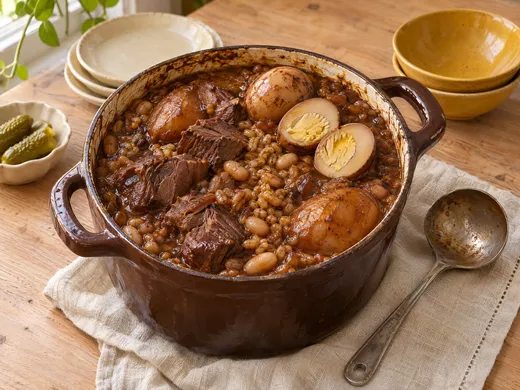
And the next day: jachnun for breakfast and cholent for lunch, both of which cook through the night.
Timeline: Wednesday to Friday
The rule is simple: what keeps or freezes well, make early; what is only good fresh, make on Friday. This also keeps things safe: a cooked dish keeps 2-3 days in the fridge, so what you cook on Thursday is still fine for Shabbat lunch.
A week or two ahead, if you like:
- Bake and freeze challah, cakes and rugelach.
- Roll Moroccan cigars and freeze them unfried. Fry them straight from the freezer.
Wednesday:
- Write the menu and shopping list, and count your guests.
- Do the shopping.
- Move frozen chicken or meat from the freezer to the fridge, in a bowl on the bottom shelf. Chicken needs about 24 hours per 2.5 kg (5 lb): move a large amount on Wednesday evening, a small one on Thursday morning.
- Bake a cake that keeps a few days out of the fridge, such as the orange cake.
Thursday:
- Cook the soup, divide it into containers so it cools quickly, and refrigerate.
- Make the cooked salads: matbucha, carrot salad and beet salad.
- Roast the eggplants for the eggplant salad and keep them in the fridge without the mayonnaise.
- Make the chocolate mousse, which needs a few hours in the fridge.
- In the evening, soak the beans and wheat berries for the cholent.
- Bake the challah, or leave it for Friday morning.
Friday morning:
- Take challah and cakes out of the freezer and let them thaw in a closed bag.
- Simmer the cholent on the stove for about an hour and a half.
- Cook the fish, which tastes best on the day it is made.
Friday afternoon:
- Put the chicken in the oven about two hours before Shabbat so it is ready in time, and cook the rice.
- Make the Israeli salad, tahini and hummus, and mix the eggplant with the mayonnaise.
- Turn on the hot plate and move the cholent and anything that needs to stay warm onto it.
- Salads, fish and dessert stay in the fridge until Kiddush.
What freezes and what does not
Freezes well: sliced challah and cakes (up to a month); meatballs and fish balls in their sauce, chicken soup, unfried cigars and cholent without the eggs (up to 3 months).
Do not freeze: mayonnaise salads, hard-boiled eggs, fresh Israeli salad, carrot salad and beet salad. Their texture breaks down when thawed.
Amounts per guest
These are rough estimates for a meal with several courses, worked out from the servings in our own recipes. Children eat about half. With lots of salads and a first course, people eat less of the main.
| Dish | Per adult |
|---|---|
| Challah | 2 whole loaves for the blessing, and about 1 large loaf per 4-6 people in total |
| Salads | 4-6 kinds, 2-3 tablespoons of each |
| Fish first course | One fillet, 100-150 g (3.5-5 oz) |
| Soup | 1-1.5 cups |
| Chicken on the bone | 2 pieces, about 250-300 g (9-10 oz) |
| Boneless meat | 150-200 g (5-7 oz) before cooking |
| Rice | 1/3 cup uncooked |
| Dessert | One slice of cake or one small cup |
Leftovers? That is perfectly fine. Refrigerate them within 2 hours, or within 1 hour on a hot day, and eat them on Shabbat or freeze them.
Keeping food warm on Shabbat
Most homes use one of three methods: a Shabbat hot plate (plata), a slow cooker, or an oven with a Shabbat mode or on low heat. Our cholent, for example, can spend the night on a hot plate, in an oven at 100°C (210°F) or in a slow cooker on LOW.
- Put the food on fully cooked and very hot, in covered pots. Food that warms up slowly from cold spends too long at temperatures where bacteria multiply.
- In saucy dishes like cholent, leave enough liquid, since it evaporates overnight.
- Cover dry food, such as rice and roast chicken, tightly with foil so it does not dry out.
- Boil dried beans for cholent properly before the long cook. Low heat alone does not destroy the natural toxin in dried beans.
- After the meal, whatever is not staying on the hot plate goes into the fridge within 2 hours. Cool rice and refrigerate it especially fast, and eat it within a day.
There are halachic rules for warming food on Shabbat, such as what may be placed on the hot plate and when, and customs differ between communities. Ask a rabbi about these. For how long everything keeps after Shabbat, see our food storage guide.
Two ready-made menus
Meat menu for Friday night
- Challah: Soft, Fluffy Challah
- Salads: hummus, tahini, matbucha, Moroccan carrot salad and eggplant salad with mayonnaise
- First course: Moroccan fish in red pepper sauce
- Soup: Grandma’s clear chicken soup
- Main: Roasted chicken and potatoes
- Sides: Fluffy white rice and Jerusalem kugel
- Dessert: Dairy-free chocolate mousse and orange cake
- For Shabbat lunch: Shabbat cholent with brown eggs
All the desserts on this menu are parve, so they suit a meat meal.
Dairy menu, no meat
- Challah: Soft, Fluffy Challah
- Salads: Israeli salad, tahini, beet salad and cabbage salad
- First course: cheese burekas
- Soup: sweet potato, carrot and pumpkin soup
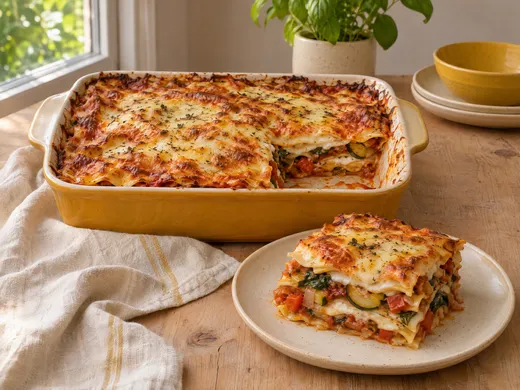
- Main: vegetable lasagna
- Side: quinoa salad
- Dessert: baked cheesecake or malabi
A dairy Friday night dinner is easier to prepare and suits summer especially well. You can make the burekas ahead and freeze them unbaked, and bake the cheesecake on Thursday, since it needs a few hours in the fridge. Want to add fish? Some communities do not eat fish together with dairy dishes. If that applies to you, ask a rabbi.